Fallujah, 2004: Vigilant Resolve and Phantom Fury
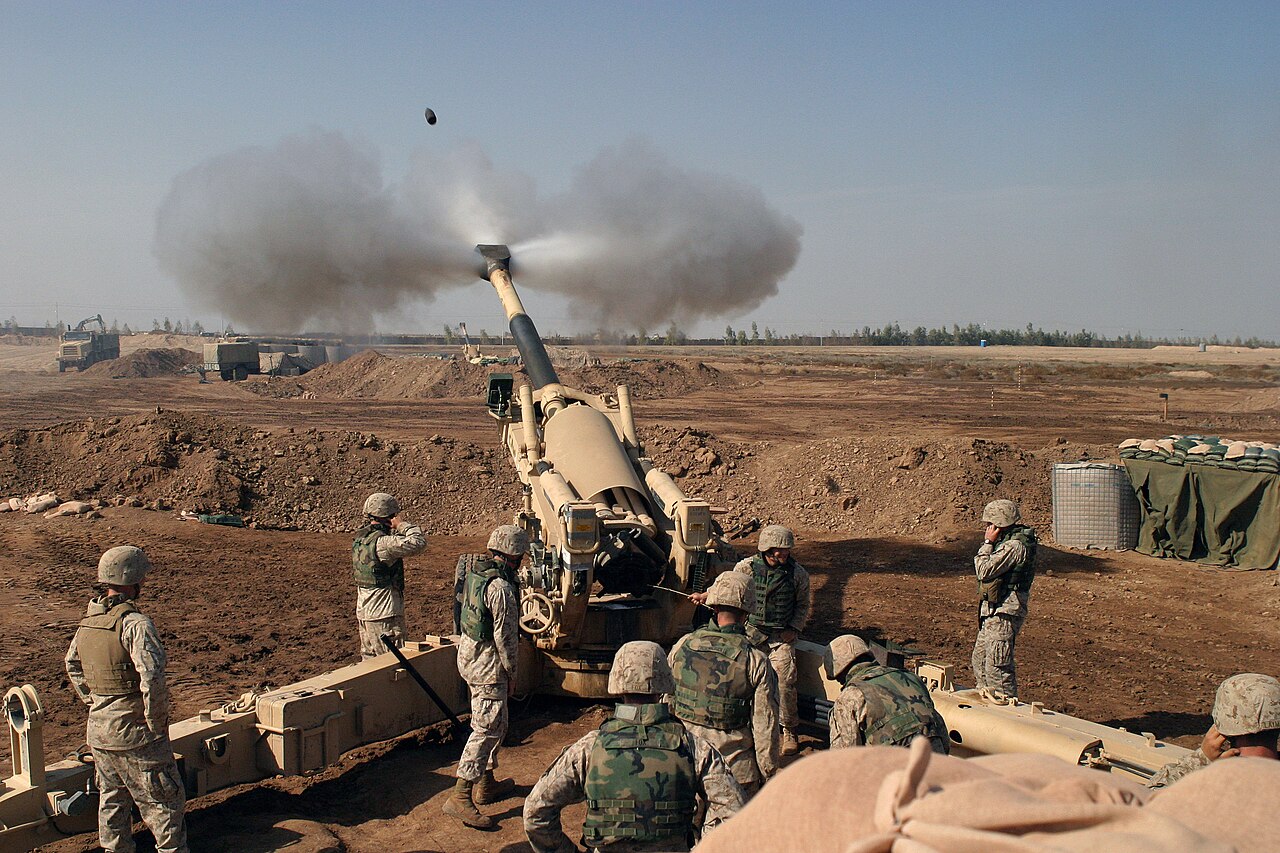
The first battle: Vigilant Resolve
After the killing and mutilation of four American contractors in Fallujah on March 31, 2004, Marines launched Operation Vigilant Resolve on April 4. Fierce fighting continued for weeks. On May 1, the operation ended with security handed to a local Iraqi force, the Fallujah Brigade. Insurgents used the following months to fortify the city.
The second battle: Phantom Fury
On November 7, U.S. and Iraqi forces launched an assault to retake the city. Marines and soldiers cleared it house by house. The battle was later described as some of the heaviest urban combat American forces had seen since Hue in Vietnam in 1968, and as the bloodiest single battle of the war for U.S. troops.
Valor
During the second battle, Staff Sgt. David Bellavia cleared a house occupied by insurgents on November 10, 2004, actions for which he received the Medal of Honor in 2019. See Medal of Honor.
Legacy
For the Marines and soldiers who fought there, Fallujah remains a defining name. The battles also shaped American urban warfare doctrine for years afterward.